Health Impact Story

Bringing Hepatitis B Screening Closer to Communities

For many families in rural Kenya, accessing timely health information and screening can be difficult. Through a community-based Hepatitis B campaign, HOYWIK PROGRAMMES brought screening, vaccination, health education and referrals closer to the people who needed them most.

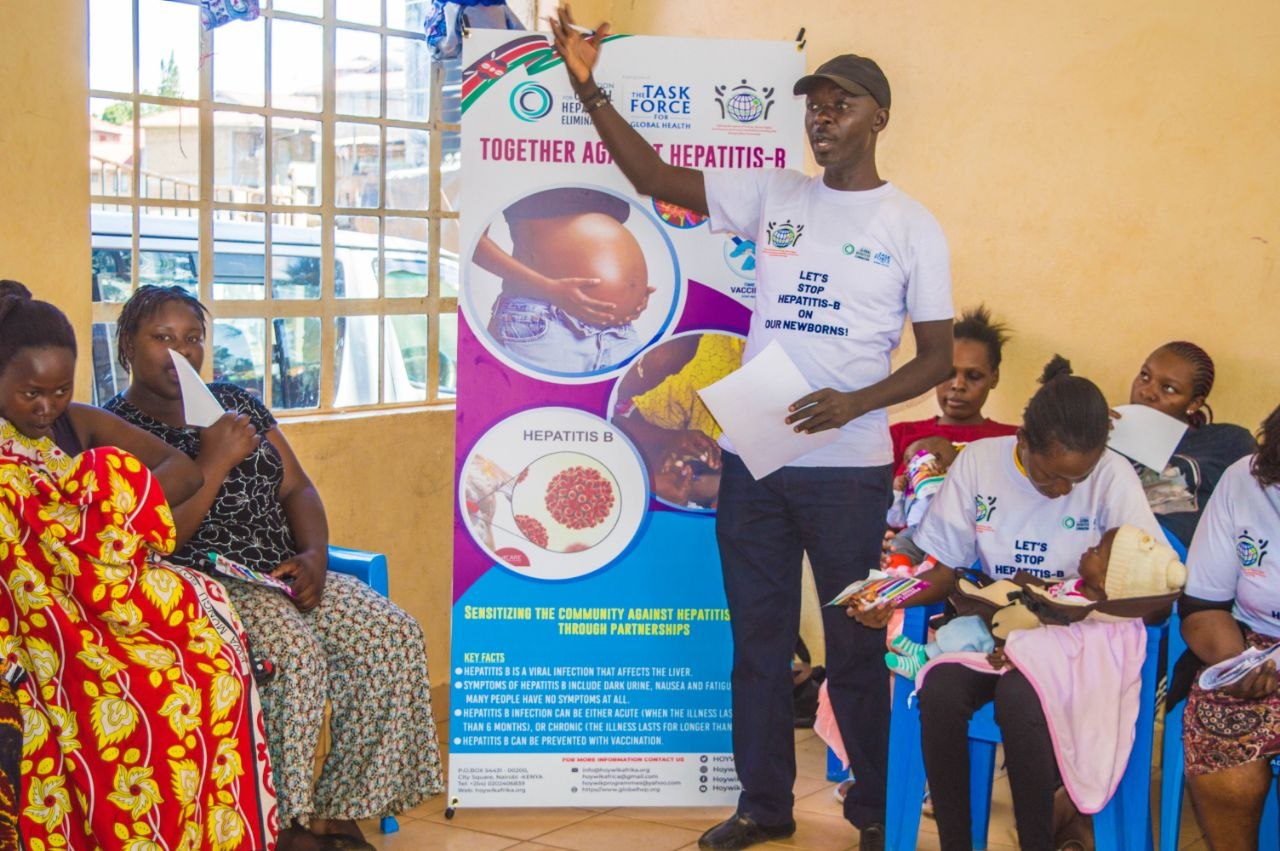
Community health screening for Hepatitis B Health
Population & Health June 18, 2025 By HOYWIK Programmes Team 6 min read Five counties, Kenya

For many families in rural Kenya, the distance to a health facility is measured not in kilometres, but in missed opportunities. A screening appointment can mean a day away from work, a fare that is hard to find, and a choice between a health check and a meal.

Hepatitis B is one of the infections that quietly takes advantage of that distance. It often shows no symptoms for years, and by the time it is discovered, the liver may already be damaged. Yet it is preventable with a vaccine and manageable when detected early.

Why we took screening to the community

HOYWIK PROGRAMMES decided to remove the distance altogether. Instead of asking people to travel to health facilities, we worked with county health teams, local leaders and community health volunteers to bring screening, vaccination, health education and referrals to the places where people already gather — markets, churches, mosques, chief's barazas and village halls.

The approach was simple: meet people where they are, answer their questions in a language they trust, and make the next step as easy as possible.

Universal health coverage is the single most powerful concept that public health has to offer.

Dr. Margaret ChanFormer Director-General, World Health Organization

What the campaign involved

  • Free Hepatitis B screening for anyone who walked up — no appointment, no queue, no cost.
  • Vaccination for those who were eligible, delivered on the same day wherever possible.
  • Health education sessions on how the virus spreads and why early testing matters.
  • Referral pathways for anyone who screened positive, linking them to county facilities.
  • Training for community health volunteers, so awareness continues after the campaign team leaves.

What changed

Across five counties, more than 1,200 people received screening and health information, and over 800 were vaccinated. But the numbers only tell part of the story. People had wanted to get tested for years but never knew where to start. By the end of each outreach day, the conversations had shifted — from fear to questions, and from questions to action.

Do your little bit of good where you are; it's those little bits of good put together that overwhelm the world.

Archbishop Desmond TutuNobel Peace Prize Laureate

What comes next

Our next steps are to strengthen referral follow-up so that nobody is lost between a positive screening and treatment, to expand the model into more counties, and to keep investing in the community health volunteers who make this work possible.
#Hepatitis B#Community Health #Screening#Vaccination#Kenya
Empowerment Impact Story

From Small Loans to Growing Businesses

Through the HOSET Fund, more than 50 entrepreneurs have received support to start or strengthen businesses — turning small ideas into steady incomes for entire households.

Entrepreneur running a small business in Kenya Empowerment
Economic Empowerment May 30, 2025 By HOYWIK Programmes Team 5 min read Nairobi & Kiambu, Kenya

When Grace opened her small shop, she had one shelf, three crates of soda and a notebook in which she recorded every shilling that came in and went out. What she did not have was capital to grow.

That is the situation many entrepreneurs in Kenya's informal economy find themselves in: a viable idea, a ready market, and no way to bridge the gap between them.

The gap small businesses fall into

Traditional lenders often require collateral, bank statements and a credit history that informal traders simply do not have. The result is a financing gap that keeps hardworking people locked at subsistence level — earning enough to survive, but never enough to invest.

The HOSET Fund was created to close part of that gap. It combines small, accessible loans with practical business training and ongoing mentorship, so that money is matched with the skills needed to use it well.

Poverty is not created by poor people. It is created by the system we have built, the institutions we have designed, and the concepts we have formulated.

Professor Muhammad YunusNobel Peace Prize Laureate & Founder, Grameen Bank

How the HOSET Fund works

  • Accessible loan sizes that match the real needs of small traders rather than imposing unrealistic minimums.
  • Business skills training covering record-keeping, pricing, stock management and customer care.
  • Group guarantee structures that allow entrepreneurs without collateral to access credit through peer accountability.
  • Mentorship and follow-up visits so that borrowers are not left alone after funds are disbursed.
  • Savings culture encouraged through savings groups that outlive the loan cycle.

The results

More than 50 entrepreneurs have now received support, and close to seven in ten of the businesses supported are led by women. Many have moved from single-shelf operations to stocked shops, from selling at a roadside to supplying local schools and hotels.

The test of our progress is not whether we add more to the abundance of those who have much; it is whether we provide enough for those who have too little.

Franklin D. Roosevelt32nd President of the United States

What we are learning

Capital alone is not enough. The businesses that grew fastest were the ones whose owners also received training and regular follow-up. This is why we are expanding the mentorship component of the Fund and linking entrepreneurs to markets and supplier networks, not just to money.

#HOSET Fund#Small Business #Financial Inclusion#Women#Livelihoods
Food Security Impact Story

Helping Farmers Build Resilient Food Systems

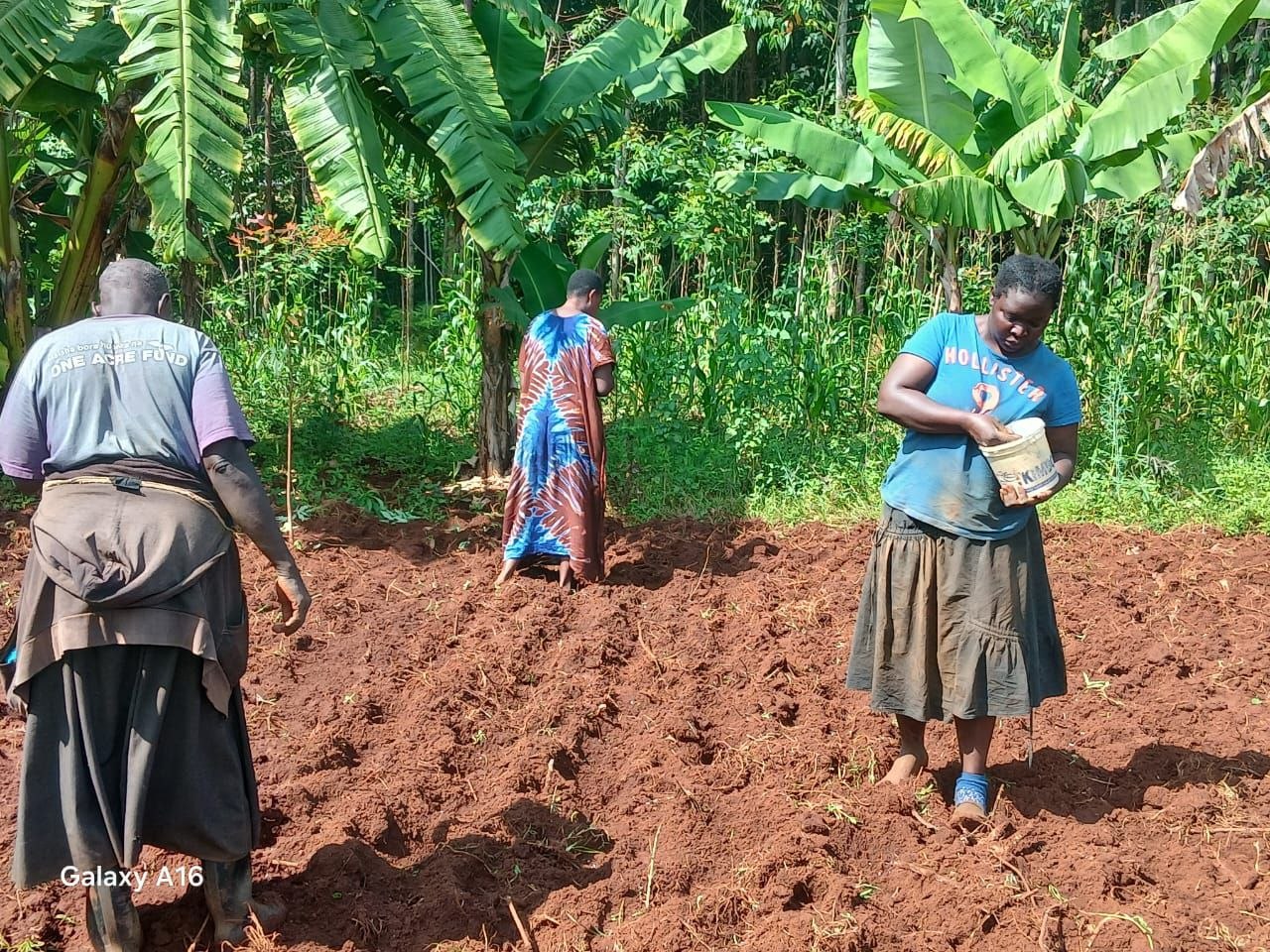
More than 800 farmers received training in climate-smart agriculture — learning to protect their soils, their harvests and their families against increasingly unpredictable seasons.

Farmers practicing sustainable agriculture Food Security
Food Security & Livelihoods April 22, 2025 By HOYWIK Programmes Team 6 min read Central & Western Kenya

A farmer's year is a gamble on the weather. When the rains come on time, a family eats well and sells the surplus. When they do not, months of work disappear in a matter of weeks.

Across Kenya, that gamble is getting harder. Seasons are shifting, dry spells are lasting longer, and the pests and diseases farmers once knew are being replaced by unfamiliar ones.

When the rains stop behaving

HOYWIK PROGRAMMES works with smallholder farmers who depend on rain-fed agriculture and who have the least room to absorb a bad season. For them, resilience is not an abstract idea — it is the difference between school fees and a lost term.

Our food security programme focuses on practical, low-cost techniques that farmers can apply with the resources already available to them.

You cannot protect the environment unless you empower people, you inform them, and you help them understand that these resources are their own, that they must protect them.

Professor Wangari MaathaiNobel Peace Prize Laureate & Founder, Green Belt Movement

What farmers learned

  • Soil fertility management through composting, manure use and reduced reliance on costly inputs.
  • Drought-tolerant seed varieties suited to local conditions and market demand.
  • Water harvesting and conservation including mulching, zai pits and small-scale irrigation.
  • Crop diversification and intercropping to spread risk across more than one harvest.
  • Post-harvest handling and storage to reduce losses that quietly erase profit.
  • Group marketing so that farmers can negotiate better prices together.

The harvest that followed

Farmers who completed the full training cycle reported noticeably stronger harvests, with many describing improvements of around 40% compared with previous seasons. Several groups have begun saving seed and sharing it within their communities — a sign that knowledge, once planted, spreads on its own.

We must turn Africa's rural areas from zones of economic misery into zones of economic prosperity.

Dr. Akinwumi AdesinaPresident, African Development Bank

Looking ahead

The next phase of the programme will deepen work on value addition — helping farmers process, package and sell what they grow rather than selling it raw at the farm gate. We are also expanding linkages to markets and aggregators so that a better harvest translates into a better income.

#Climate-Smart Agriculture#Food Security #Farmers#Soil Health#Kenya
Research Impact Story

Turning Community Research Into Better Policy

Community-based research is helping highlight gaps in healthcare access and building the evidence base that advocates need to push for change.

Community research and policy work Research
Research & Policy March 14, 2025 By HOYWIK Programmes Team 5 min read Kenya

Policy is often made far from the places where its effects are felt. Community research exists to shorten that distance — putting the lived experience of households into the hands of the people who make decisions.

HOYWIK PROGRAMMES uses participatory research methods that treat community members as co-investigators rather than subjects. The result is data that is both rigorous and grounded in the realities it describes.

Why community data matters

National statistics can tell you how many health facilities exist. They rarely tell you how long it takes a mother to reach one, how much it costs her, or what she has to give up in order to go. Those details are what determine whether a service is genuinely accessible.

Knowledge is power. Information is liberating. Education is the premise of progress, in every society, in every family.

Kofi AnnanFormer Secretary-General, United Nations & Nobel Peace Prize Laureate

How the research was done

  • Household surveys conducted with trained local enumerators in eight sub-counties.
  • Focus group discussions with women, youth, farmers and persons with disabilities.
  • Key informant interviews with health workers, county officials and community leaders.
  • Participatory mapping to visualise distances, costs and barriers to services.
  • Validation workshops where findings were presented back to the communities that produced them.

What the evidence showed

The findings pointed consistently to three barriers: distance, cost and information. Respondents were not reluctant to seek care — they were constrained from reaching it. Respondents also identified solutions, from decentralised outreach to clearer public communication about what services are free.

Not everything that is faced can be changed, but nothing can be changed until it is faced.

James BaldwinWriter and Civil Rights Activist

From evidence to advocacy

Findings have been distilled into three policy briefs and presented at county-level dialogue forums with health officials, civil society and community representatives. Several recommendations are now being discussed for inclusion in county planning processes. Research only matters if it moves something.

#Research#Policy #Evidence#Advocacy#Health Access
Community Impact Story

When Communities Lead, Change Lasts

Across Kenya, more than 45 communities are taking the leading role in identifying their own priorities, designing solutions and building stronger futures.

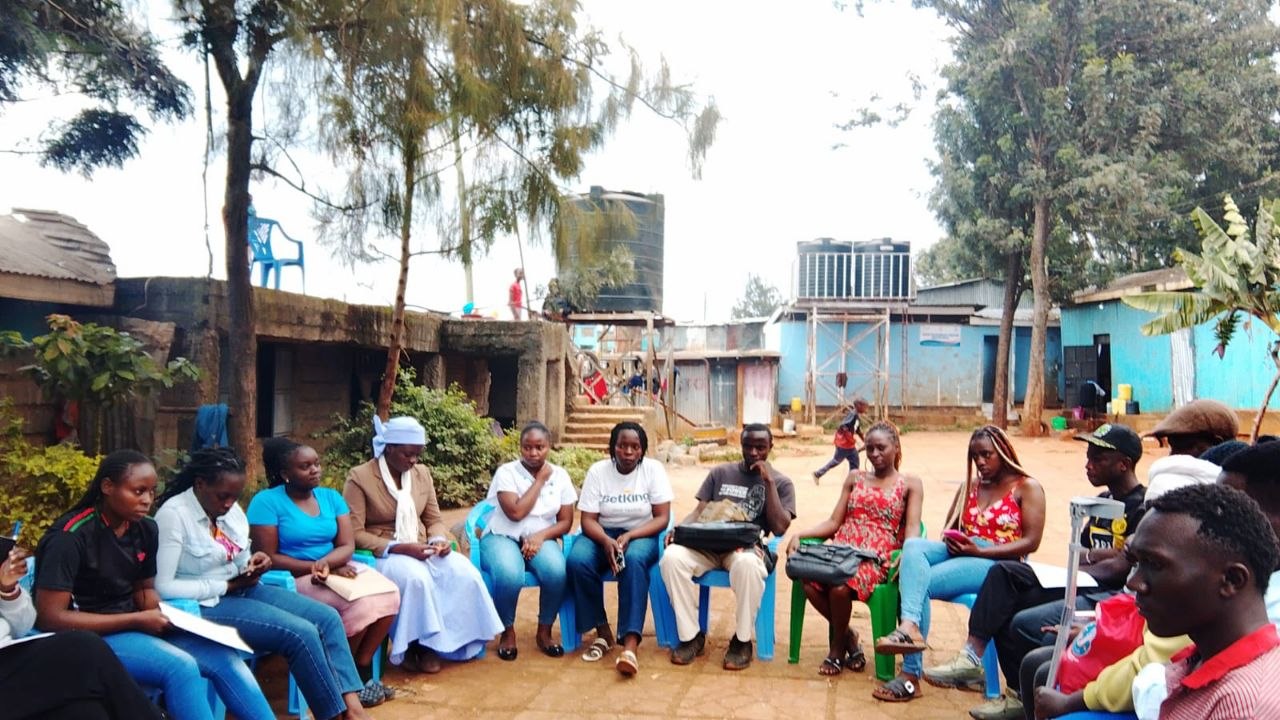
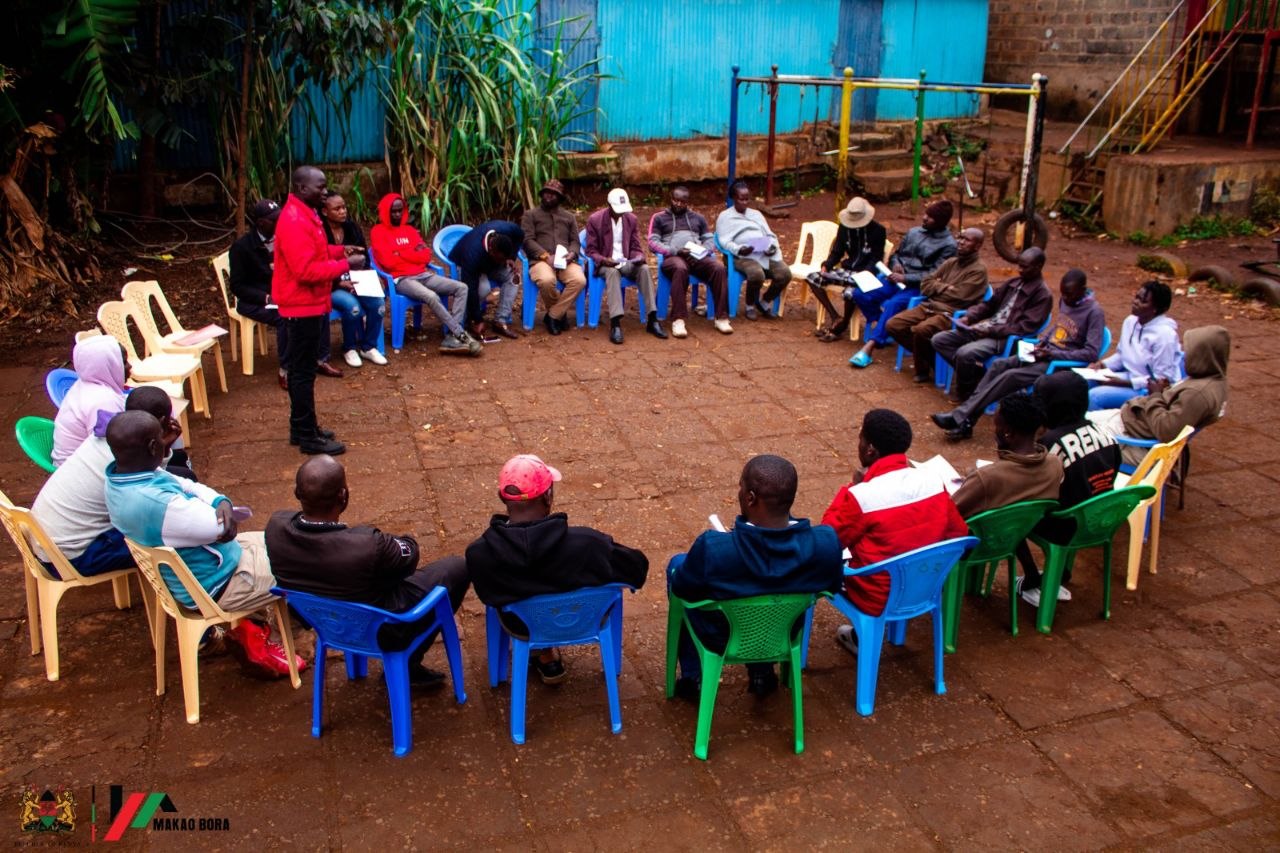
Community-led development meeting Community
Governance & Community Development February 26, 2025 By HOYWIK Programmes Team 5 min read 45+ communities, Kenya

Development projects fail for a predictable reason: they are designed somewhere else, for someone else. The most durable change we have seen begins with a simple shift — asking communities what they already know they need.

HOYWIK PROGRAMMES does not arrive in a community with a finished plan. We arrive with questions, and we stay long enough to help turn the answers into action.

Why we start with listening

Every community has leaders, networks and informal systems that already work. Too often, outside programmes bypass them and build parallel structures that collapse the moment funding ends. Our approach is to strengthen what exists.

Change will not come if we wait for some other person or some other time. We are the ones we have been waiting for. We are the change that we seek.

Barack Obama44th President of the United States

The community-led model

  • Community visioning sessions where residents define their own priorities rather than responding to ours.
  • Local action plans developed and owned by community committees, with clear roles and timelines.
  • Leadership training for community representatives on planning, budgeting and accountability.
  • Linkages to county government so that community priorities enter official planning processes.
  • Follow-up support over multiple years, because trust is built through consistency.

What changes when communities lead

Projects are maintained. Meetings happen without external prompting. Community members hold their own leaders accountable, and local contributions — in labour, land, materials and time — replace the expectation that everything must be funded from outside.

More than 45 communities are now part of this process, and over 120 community leaders have completed training in participatory planning and accountability.

Never doubt that a small group of thoughtful, committed citizens can change the world; indeed, it's the only thing that ever has.

Margaret MeadCultural Anthropologist

The road ahead

Our goal is not to run programmes forever. It is to work ourselves out of a job in every community we enter — leaving behind structures, skills and relationships strong enough to carry the work forward.

#Community Development#Participation #Governance#Local Leadership
Education Impact Story

Creating Opportunities Through Education

Education support is helping students overcome barriers, remain in school and build stronger opportunities for their future — with more than 3,000 learners reached so far.

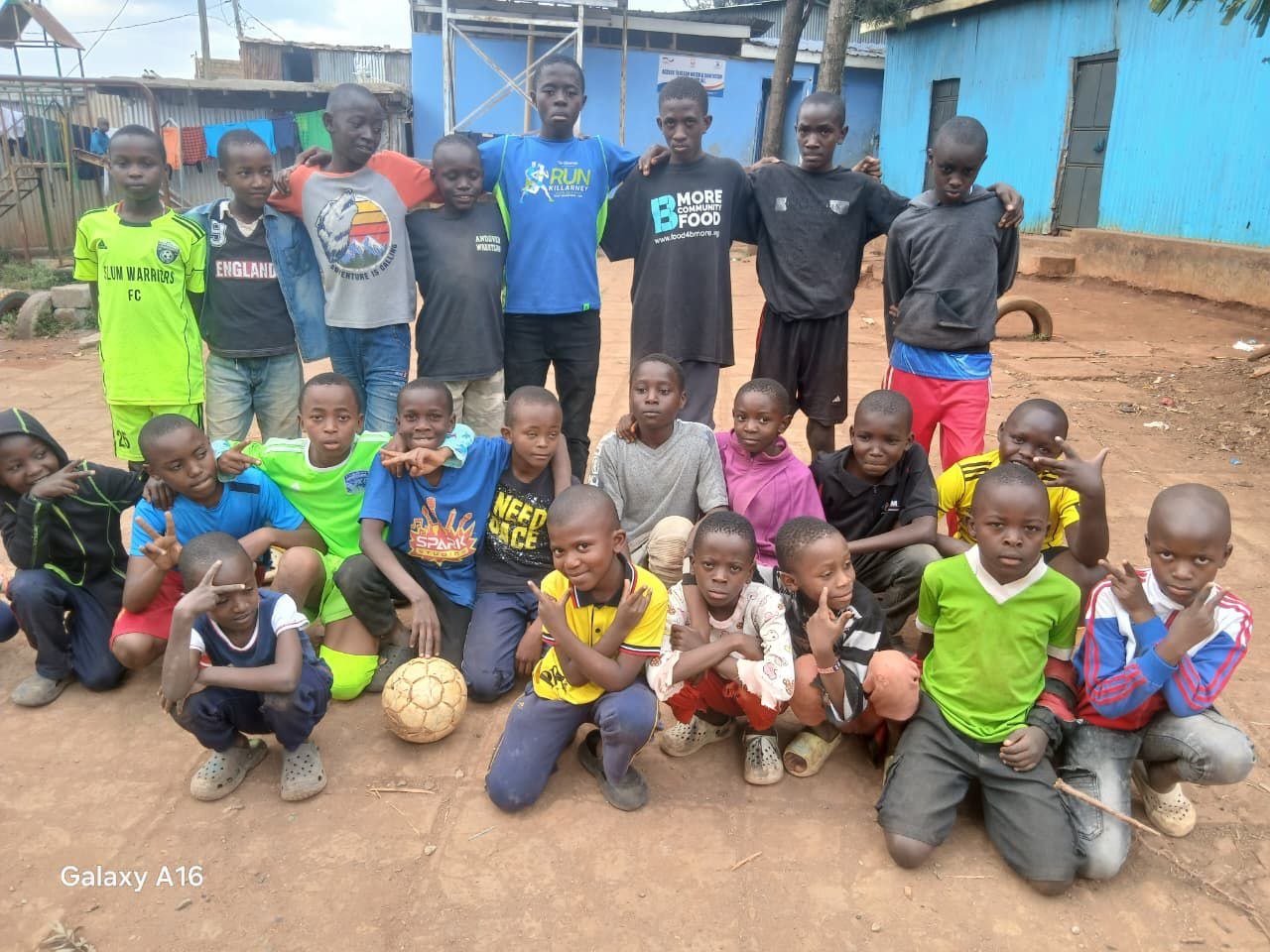
Students participating in education support programme Education
Education & Sponsorship January 20, 2025 By HOYWIK Programmes Team 5 min read Kenya

A child drops out of school for reasons that are rarely academic. A uniform that cannot be afforded. A term's fees that arrive a week too late. A family that must choose between one child's schooling and the household's next meal.

Education support works when it addresses those practical barriers directly, rather than assuming that motivation is the problem.

The barriers we see

Across the communities where we work, the same obstacles appear again and again: cost, distance, inadequate learning materials, and a shortage of adults who can offer consistent encouragement. For girls, the barriers are often sharper still.

Education is the most powerful weapon which you can use to change the world.

Nelson MandelaFormer President of South Africa & Nobel Peace Prize Laureate

How the support works

  • School fee support and sponsorship for learners identified through community and school nomination.
  • Learning materials including books, stationery and where needed, uniforms.
  • Mentorship and career guidance connecting students with professionals and role models.
  • School partnerships that strengthen teaching resources and co-curricular activity.
  • Family engagement so that support continues at home and not only in the classroom.

What it means for a family

For a household, keeping a child in school changes the arithmetic of the future. More than 3,000 students have been reached through the programme, and over 150 learners have received direct sponsorship. Around six in ten beneficiaries are girls — a deliberate focus, given how quickly girls are pulled out of school when money is tight.

The size of your dreams must always exceed your current capacity to achieve them. If your dreams do not scare you, they are not big enough.

Ellen Johnson SirleafFormer President of Liberia & Nobel Peace Prize Laureate

Continuing the work

Our focus for the coming year is on transitions — supporting learners as they move from primary to secondary school, and from secondary school into tertiary education, vocational training or employment. Keeping a student in class is the first step; helping them find a path afterwards is the next one.

#Education#Sponsorship #School Retention#Mentorship#Youth

Be Part of the Change

Your support can help HOYWIK expand programmes, reach more communities and create lasting opportunities.

Support Our Work →